
Spot Shingle Granule Loss and Fix it Fast (DIY Guide)
 01/14/26
 6 Min Read

When maintaining the health of your roof, identifying shingle granule loss early can save you from expensive repairs and roof leaks later on. Those tiny granules on asphalt shingles are more than cosmetic. They protect your roof from UV radiation, help shed water, and contribute to energy efficiency. If granule shedding goes unnoticed, it can accelerate wear on your roof and expose your home to further problems. In this guide, we’ll walk through nine practical ways to recognize granule loss, DIY fixes for minor issues, and clear signs that professional help is needed. Dover homeowners and roofing contractors alike rely on these best practices to stay ahead of damage and maximize the life of their roofs.
What you will learn in this blog:
- How to spot the early warning signs of shingle granule loss
- Common causes and long-term effects of granule shedding
- Step-by-step DIY methods to fix minor granule loss
- When to call a professional roofer for inspection or repair
- Routine maintenance tips to protect your roof’s longevity
Why Identifying Shingle Granule Loss Is Essential
Shingle granules serve a critical role in the performance of asphalt shingle roofs. They protect the roofing material from sunlight, hail damage, and other weathering factors. Missing granules expose the asphalt layer beneath, making your roof more vulnerable to deterioration.
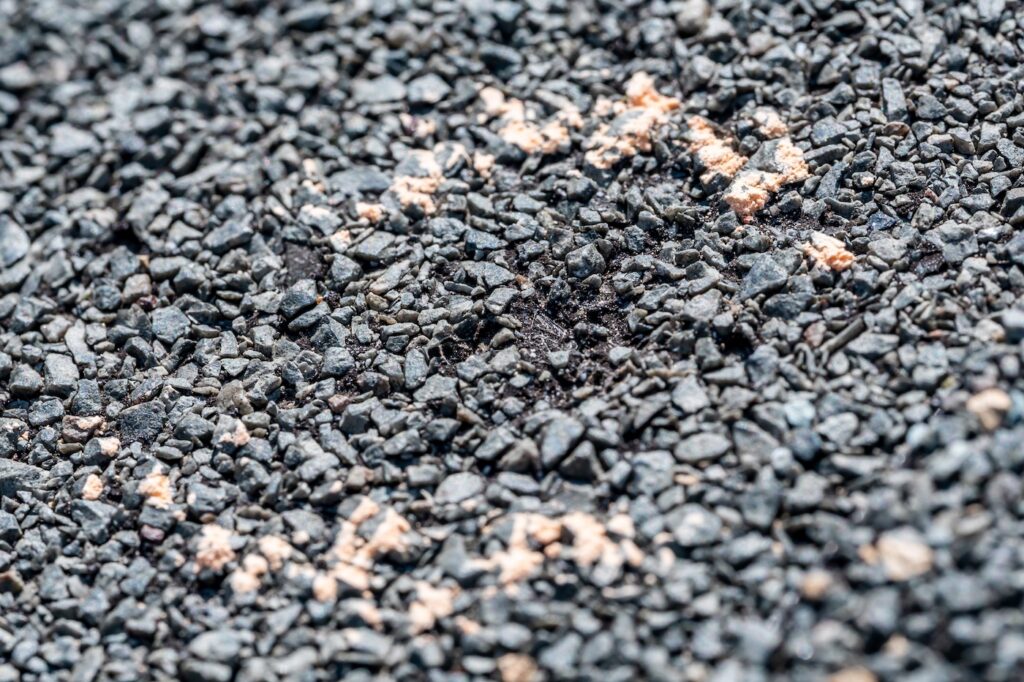
Here are the key reasons spotting granule loss quickly matters:
- Protective Barrier: Granules shield shingles from UV radiation and help prevent early aging.
- Water Resistance: Without granules, water can penetrate the shingle surface, leading to roof leaks.
- Property Value: Maintaining roof integrity protects home value and prevents visible damage.
- Energy Efficiency: Granules reflect sunlight, helping manage attic temperatures.
- Cost Control: Addressing small issues prevents larger, more expensive repairs down the road.
In a place like Dover, where seasonal storms and temperature swings are common, catching granule loss early can be the difference between a quick patch and a full roof replacement.
9 Quick Steps to Spot and Fix Granule Loss
Here are nine simple yet effective steps homeowners can take to detect and respond to shingle granule loss before it becomes a serious issue.
1. Visually Inspect the Roof Surface
Use binoculars or safely climb a ladder to scan your shingles for dark or shiny patches. These spots often appear smoother than the rest of the roof. They’re a common sign that granules have worn away.
2. Check Gutters and Downspouts
Granules typically wash off into gutters over time or after storms. If you notice a sandy, gritty buildup, your shingles may be breaking down. Clean your gutters regularly and take note of any unusual debris.
3. Sweep or Blow Off Roof Debris
Leaves, twigs, and branches can trap moisture and accelerate granule loss. Gently removing debris helps reduce long-term wear. Avoid using power washers or walking on the roof while cleaning.
4. Take Note of Recent Storms
If Dover has recently experienced hail, heavy rain, or high winds, your shingles may have taken damage. Granule loss often accelerates after severe weather events. Inspect your roof soon after storms for early warning signs.
5. Examine Shingle Age and Type
Traditional asphalt shingles usually last between 20 to 30 years. As they near the end of their lifespan, granule loss becomes more noticeable. Older shingles are also more vulnerable to UV damage and cracking.
6. Apply Roofing Cement on Small Bald Spots
For minor granule loss, roofing cement can temporarily seal exposed shingle areas. Use a putty knife to apply a thin layer over affected sections. This is a quick fix—not a long-term solution—but it helps prevent water intrusion.
7. Document Problem Areas
Take dated photos of any granule loss or damage you find. Keeping a visual record helps track progression over time. It’s also useful if you need to file a warranty or insurance claim later.
8. Use an Asphalt Roof Coating
In cases where granule loss is more widespread but not severe, roof coatings offer a temporary layer of protection. These don’t replace granules but can delay the need for replacement. Apply only in dry conditions after proper surface prep.
9. Schedule Annual Professional Inspections
A licensed roofer can safely check for hidden signs of granule loss or underlying damage. Annual inspections are especially helpful before and after storm seasons in Dover. Preventative care from a professional can catch problems before they escalate.

What Causes Shingle Granule Loss?
Understanding the source of granule shedding helps you respond more effectively and prevent future problems.
- Hail and Storm Damage: Hail and wind blown debris knock granules loose quickly.
- UV Exposure: Sunlight breaks down adhesives that hold granules in place.
- Foot Traffic: Walking on shingles can grind away granules over time.
- Low-Quality Materials: Cheaper shingles tend to shed granules sooner.
- Improper Installation: Misaligned shingles or poor sealing may cause premature wear.
In Dover’s variable climate, roofs face all of these threats—especially after winter freezes or spring storms.
Long-Term Effects of Ignoring Granule Loss
Minor damage can turn into major roof issues when granule loss is left untreated.
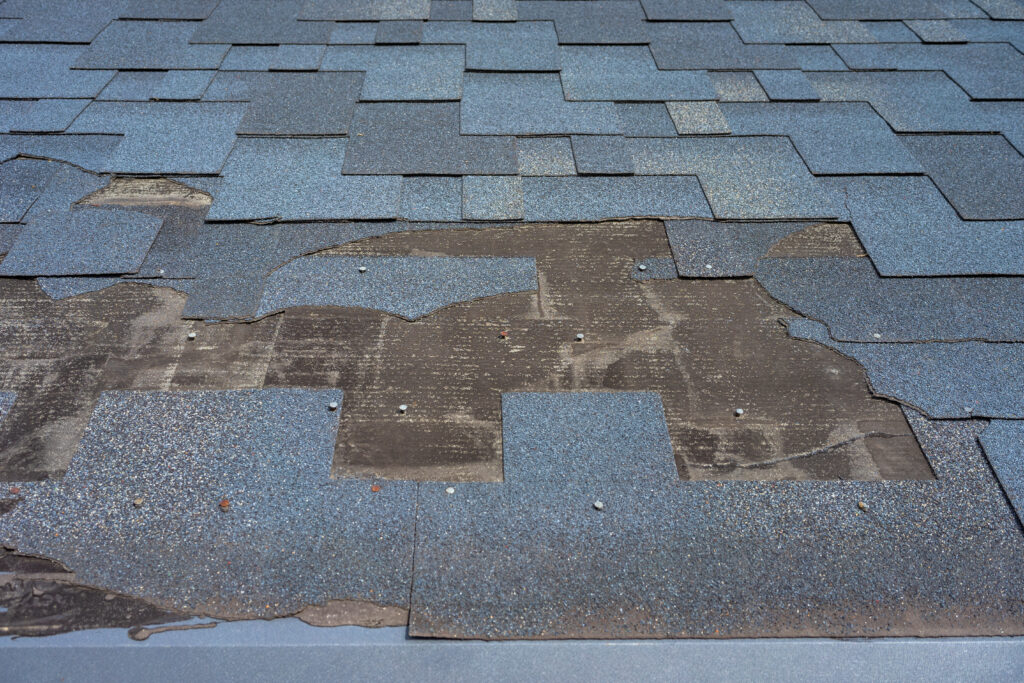
- Cracked or Exposed Shingles: Shingles dry out and break when unprotected.
- Roof Leaks and Water Intrusion: Exposed areas lead to moisture damage beneath the surface.
- Mold or Rot: Damp areas can promote mildew growth in attic insulation or roof decking.
- Energy Loss: A lack of granules reduces thermal reflection, increasing cooling costs.
- Full Roof Replacement: Left unchecked, widespread granule loss leads to major repairs or total replacement.
When to Call a Professional Roofer
DIY solutions work for very minor damage, but some situations demand expert help.
- Widespread Granule Loss: If more than a third of your roof is affected, professional assessment is essential.
- Structural Shingle Damage: Curling, cracking, or missing shingles suggest deeper issues than granule loss alone.
- Safety Concerns: If your roof has a steep pitch or multiple layers, hire trained professionals with proper safety equipment.
- Warranty or Insurance Claims: A roofing contractor can document damage and help navigate coverage under warranties or homeowner insurance.
| Situation | DIY Repair | Call a Pro |
| A few bald spots | Yes | No |
| Granule buildup in gutters | Maybe | Yes (if consistent) |
| Large, dark roof patches | No | Yes |
| Cracked or missing shingles | No | Yes |
| Slippery or steep roof | No | Yes – safety required |
Keep Granule Loss from Becoming a Bigger Problem
Simple maintenance can preserve the performance of your asphalt shingle roof and extend its lifespan.
- Clean gutters every spring and fall
- Trim back overhanging trees to reduce debris and branch impact
- Avoid walking on the roof unless absolutely necessary
- Keep an eye on the forecast and inspect after strong storms
- Partner with local roofing contractors for inspections and long-term planning
Call CTA Exteriors for Trusted Roof Expertise
Shingle granule loss might start small, but it can lead to major problems if left untreated. Homeowners in Dover trust CTA Exteriors for expert inspections, honest advice, and long-lasting roofing solutions. Whether you need quick patchwork, insurance documentation, or a full roof replacement, our experienced team is ready to help.
Contact CTA Exteriors today to schedule a roof inspection or learn more about protecting your home with professional roofing services.
