
7 Pros & Cons of a Corrugated Metal Roofing (Easy Roofing Guide)
 04/14/26
 6 Min Read
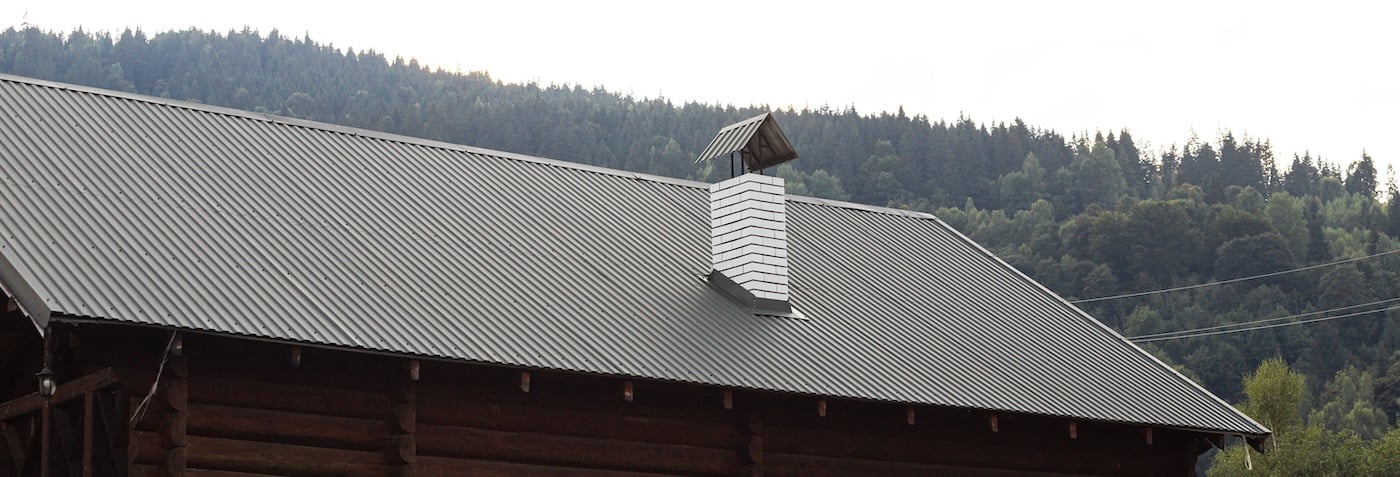
Corrugated metal roofing has become a popular option for homeowners looking for a strong, energy-efficient, and long-lasting roofing system. Recognized for its distinctive ridged design, this roofing style offers a balance of affordability and performance that appeals to many property owners planning a residential project. Before deciding if it is right for your home, it is important to understand both the benefits and the potential drawbacks.
- Lightweight yet structurally strong: Ideal for homes that require reduced structural load without sacrificing performance.
- Modern and agricultural design appeal: Works well for residential, garage, and mixed siding applications.
- Often more affordable than standing seam metal: A low-cost entry point into metal roofing panels.
- Performs well in heavy rain and wind: Designed for superior weather resistance in changing climates.
In Delaware, where homes experience coastal storms, humidity, and winter temperature swings, choosing the right roof panels can significantly impact long-term protection, maintenance needs, and overall home value. We’re proud to serve home and business owners in Middletown, DE, and nearby communities with corrugated metal roofing and more.
What Is Corrugated Metal Roofing?
Corrugated panels are metal sheets that have been roll-formed into repeating ridges and grooves. These waves increase structural strength and allow water to shed quickly, making the system highly efficient at moving rain and snow away from the roof surface. Panel width, rib height, and spacing vary by manufacturer, giving homeowners flexibility depending on the project.
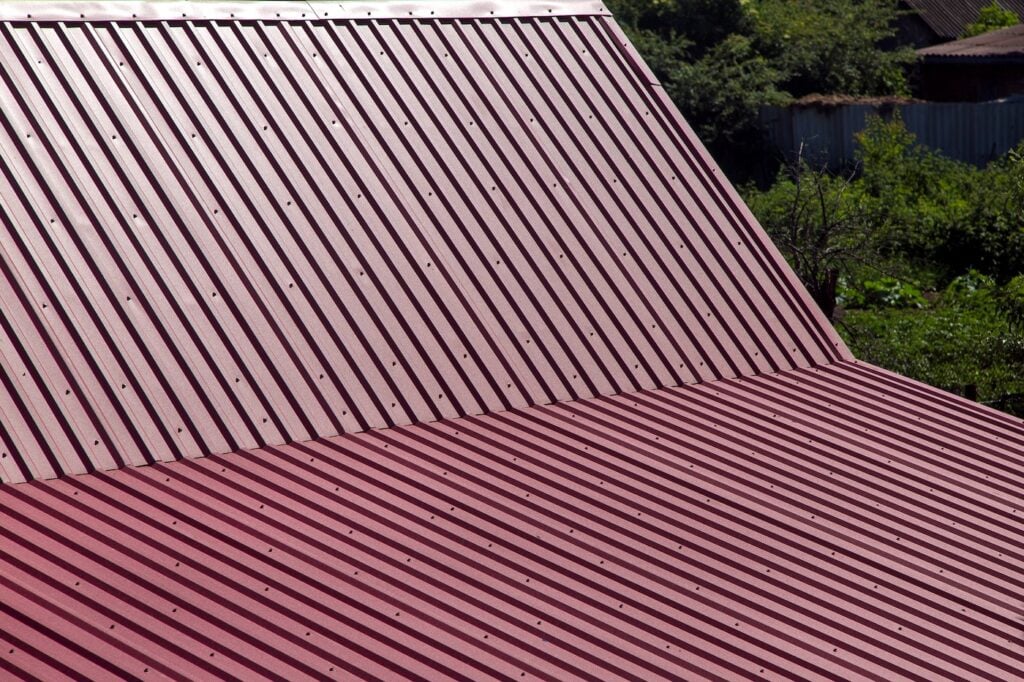
Most panels are made from galvanized steel, galvalume, or aluminum. Protective coatings help resist rust and extend service life, especially in climates that see heavy rainfall or humidity. The exposed fastener system commonly used with these metal roofing panels makes installation more straightforward compared to concealed systems.
Homeowners often choose this style for garages, additions, sheds, barns, and full residential metal roofing applications. In some designs, matching wall panels are used as siding to create a cohesive exterior appearance. Its clean, industrial look pairs well with modern farmhouse and contemporary home designs while still offering strong weather protection and practical performance advantages.
7 Pros & Cons of Corrugated Metal Roofing
Understanding both sides helps homeowners make informed decisions.
- Affordability: Corrugated panels are typically less expensive than standing seam systems, making them accessible for budget-conscious customers.
- Lightweight Construction: The material places less structural stress on a home compared to heavier systems like tile or slate.
- Water Shedding Design: The ridged shape allows rain to flow quickly off the roof surface, reducing standing water concerns.
- Longevity: Properly installed metal roofing panels can last decades when manufacturer guidelines are followed.
- Noise Levels: Rain and hail can sound louder compared to asphalt shingles without proper attic insulation.
- Exposed Fasteners: Fasteners may require periodic inspection and washer replacement over time.
- Expansion and Contraction: Metal expands and contracts with temperature changes, which must be accommodated during installation.
Each of these factors should be weighed based on your budget, roof width requirements, trim detailing, gutter integration, and overall home design.
How It Compares to Asphalt Shingles and Standing Seam
When evaluating roofing options, it helps to compare key features side by side. While asphalt shingles remain common, modern metal roofing systems offer significant performance differences in lifespan, structural integrity, and overall weather protection.
| Feature | Corrugated Metal | Asphalt Shingles | Standing Seam Metal |
| Lifespan | 30 to 50 years | 15 to 30 years | 40 to 70 years |
| Installation Cost | Moderate | Lower | Higher |
| Maintenance | Fastener checks required | Occasional shingle repair | Minimal |
| Appearance | Ribbed, industrial | Traditional | Sleek, modern |
| Wind Resistance | Strong when secured properly | Moderate | Excellent |
According to the Metal Roofing Alliance, metal roofs can last 40 to 70 years, depending on the material, significantly outlasting many traditional asphalt systems. This extended lifespan can make metal roofing a smart long-term investment for homeowners planning to stay in their property for many years.
Performance in Delaware Weather
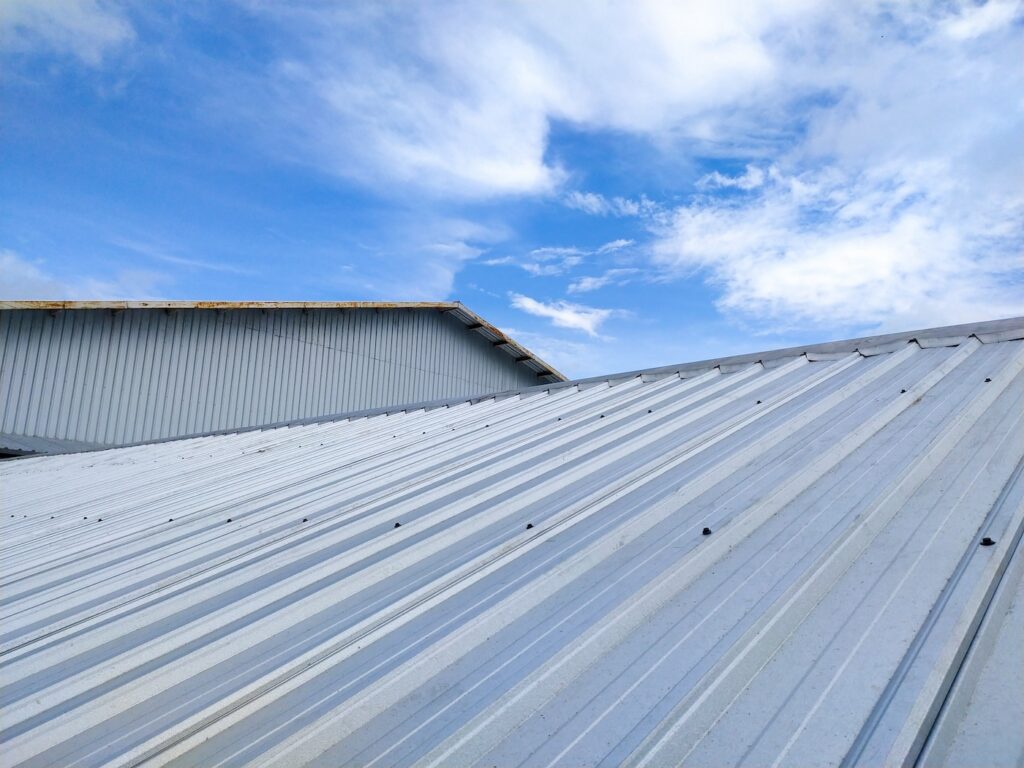
Middletown experiences strong thunderstorms, wind-driven rain, and occasional snow accumulation. Corrugated panels perform well in these conditions when installed with quality underlayment, flashing, trim components, and fastening patterns.
Key weather performance advantages include:
- Efficient Water Runoff: Ribbed panel design directs rain away quickly, reducing standing moisture.
- Wind Resistance: Secure fastening patterns help roof panels remain stable during strong storms.
- Corrosion Protection: Galvalume and coated steel finishes resist rust when maintained according to manufacturer recommendations.
- Snow Shedding Capability: Smooth metal surfaces allow snow to slide off more easily than textured materials.
- Moisture Control Compatibility: Works effectively with synthetic underlayment systems and coordinated gutters.
Proper attic ventilation and insulation are also critical. Without adequate airflow, condensation may form beneath metal roofing during seasonal temperature shifts. When combined with modern underlayment systems and quality trim details, this roofing style performs reliably across Delaware’s seasonal extremes.
Energy Efficiency and Sustainability Benefits
Metal roofing reflects a significant portion of solar radiation, which can help reduce attic heat gain during summer months. Reflective coatings are available to further enhance energy performance and contribute to lower cooling costs in residential settings.
Many corrugated panels are manufactured with recycled content and are fully recyclable at the end of their service life. This makes them an environmentally responsible option compared to materials that end up in landfills. Their lightweight design can also reduce structural framing demands during a project.
Maintenance and Long-Term Considerations
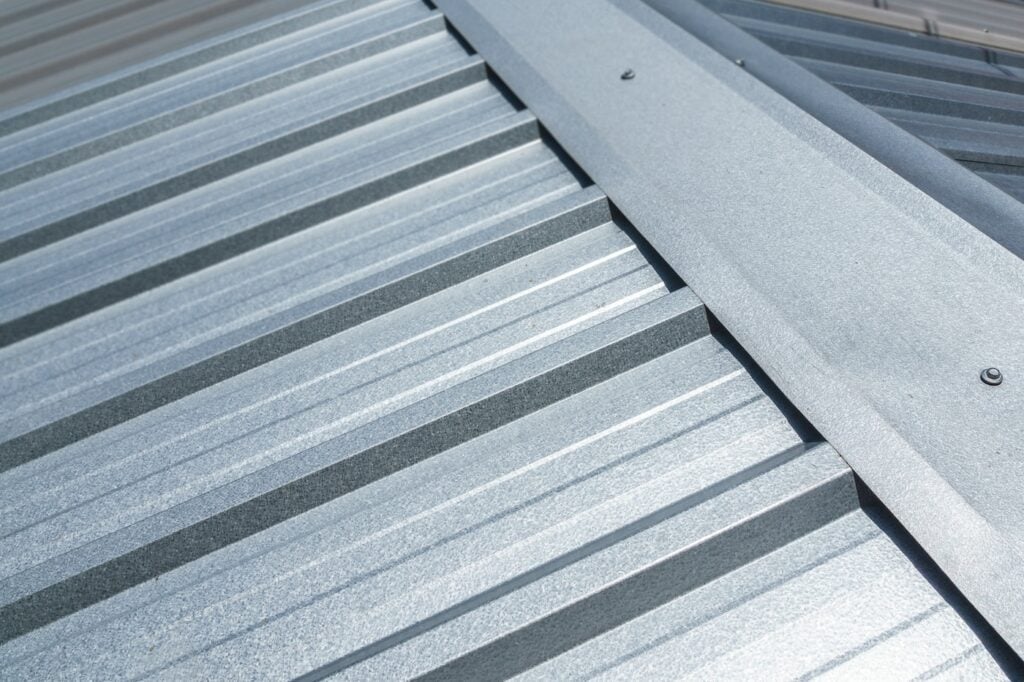
Metal roofing is considered low maintenance, but periodic inspections are important to protect your investment. Fasteners, sealants, flashing, gutters, and trim should be checked to ensure continued weather resistance.
Homeowners should look for:
- Loose Fasteners: Screws may need tightening due to seasonal expansion and contraction.
- Worn Washers: Rubber washers beneath fasteners can deteriorate over time.
- Flashing Integrity: Valleys and penetrations should remain properly sealed.
- Surface Debris: Removing leaves prevents moisture retention.
With routine care, professional inspections, and adherence to manufacturer guidelines, corrugated panels can provide dependable protection for decades.
Is Corrugated Metal Roofing Right for Your Home?
This roofing system works well for homeowners seeking strength, longevity, and a distinctive appearance. It is particularly attractive for modern farmhouse designs, detached garages, workshops, and properties that benefit from lightweight roofing materials.
For homes in Middletown, climate compatibility is a strong advantage. The system handles wind and heavy rain effectively when installed correctly. Homeowners who prefer concealed fasteners or a sleeker profile may prefer standing seam, but this roofing style offers strong value, flexible width options, and reliable performance. Reviewing detailed information about your home’s structure and goals will help determine if it is the right choice.
CTA Exteriors Makes Metal Roofing Simple and Reliable
Choosing the right roof is a major investment. At CTA Exteriors, we guide customers through material comparisons, cost expectations, and performance considerations so there are no surprises during the project.
Our experienced team understands how Delaware weather impacts roofing systems and installs metal roofing panels with careful attention to fastening patterns, underlayment selection, flashing, trim detailing, and gutter integration. If you are considering upgrading your home with a durable metal roofing solution, contact CTA Exteriors today to schedule a consultation and learn which option best fits your needs.
