
Does Insurance Cover Roof Replacement? What to Know
 09/29/26
 8 Min Read
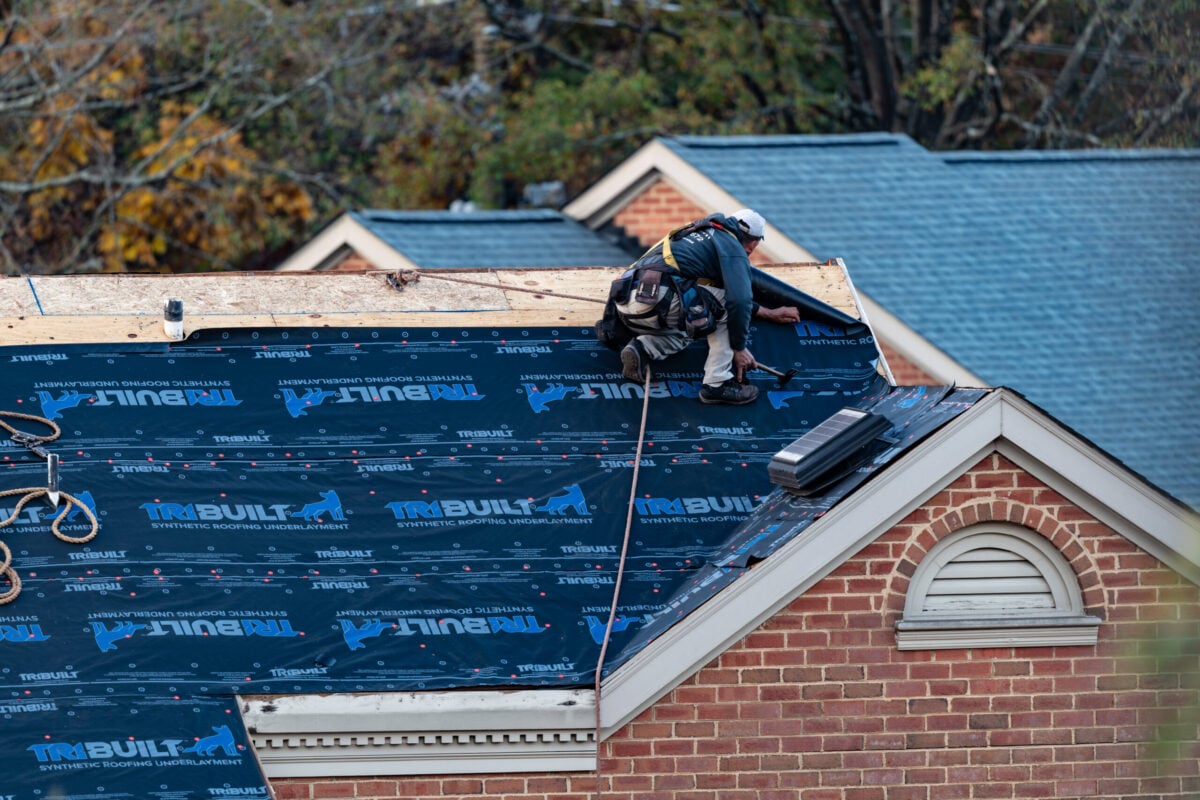
For many homeowners, does insurance cover roof replacement is one of the first questions that comes to mind after a storm rolls through and damage is discovered. The answer depends on several factors, including the cause of the damage, your policy details, and how quickly the issue is documented. If your roof has taken a hit from wind, hail, or falling debris, getting a professional assessment of the damage is often the best first step before contacting your insurance provider.
In this guide, you will learn:
- What typically determines whether insurance covers roof replacement
- The main causes of roof damage that are often covered
- How the inspection and documentation process works
- What to expect when working with an insurance adjuster
- How a roofing contractor can support your claim from start to finish
Why Roof Coverage Matters for Your Home
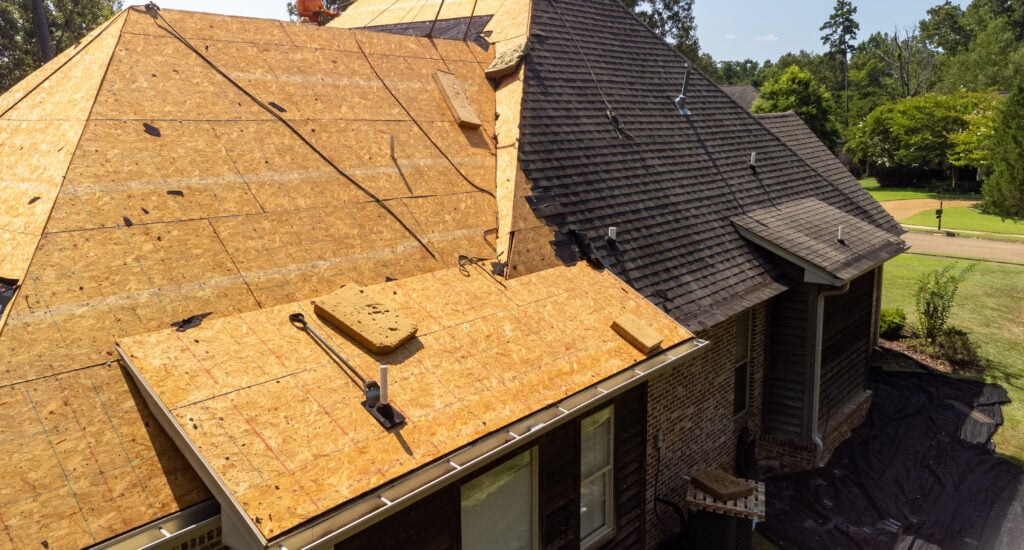
Roof damage can happen quickly, but the insurance claims process often takes time, patience, and the right documentation to move smoothly. Understanding what your policy may or may not cover before disaster strikes can save you significant stress and confusion when you need answers the most, especially if the damage affects other parts of your home like gutters or skylights.
Here is why getting a clear picture of your roof coverage matters:
- Faster Repairs: Knowing your coverage helps you move quickly once damage is discovered.
- Fewer Surprises: Understanding your policy details reduces confusion during the claims process.
- Stronger Documentation: Clear records of damage support a smoother, more successful claim.
- Peace of Mind: Knowing what to expect reduces stress during an already difficult situation.
- Better Decision Making: Understanding your options helps you choose the right path for repair or replacement.
Homeowners throughout Wilmington, DE and surrounding areas often reach out for a professional inspection right after a storm, before even contacting their insurance company, simply to understand the extent of the damage and what their next steps should be.
4 Factors That Influence Whether Insurance Covers Roof Replacement
Every insurance policy is different, and several key factors typically come into play when determining whether roof replacement is covered. Below is a breakdown of what often matters most during the claims process, along with a few extra details worth keeping in mind.
1. When Roof Damage Occurs From Unexpected Events
Insurance companies generally distinguish between sudden, covered events and gradual wear and tear. Damage caused by wind, hail, falling debris, or even a house fire is more likely to be considered a covered loss than damage that developed slowly over time due to age or lack of maintenance. Fire, storms, and other unexpected events are common examples of perils that homeowners policies are typically built to address, though the specific terms always come down to your individual policy. This is one of the main reasons a prompt inspection after severe weather matters so much, since the timeline of the damage often factors heavily into the review.
- Sudden storm damage is more likely to be a covered loss
- Fire and other unexpected events are commonly addressed under standard policies
- Gradual deterioration is typically considered a maintenance issue
- Documentation of the timeline can help clarify the cause
2. Your Specific Policy Details
Every homeowners insurance policy is different, and coverage details can vary significantly from one provider to the next. Reviewing your policy documents or speaking directly with your insurance agent can help clarify what is and is not included before you file a claim, so you know what to expect going into the process.
3. Wear and Tear vs. Sudden Damage to Your Roof
The age and condition of your roof prior to the storm can play a role in how a claim is evaluated. Roofs that were already showing signs of wear and tear may face more scrutiny during the adjuster’s inspection, since insurers typically distinguish between long term deterioration and sudden damage from a specific event. Keeping up with regular maintenance and inspections can help demonstrate that your roof was in good condition before the loss occurred, which may support your case if a claim is ever needed.
4. Documenting Roof Leaks and Other Damage
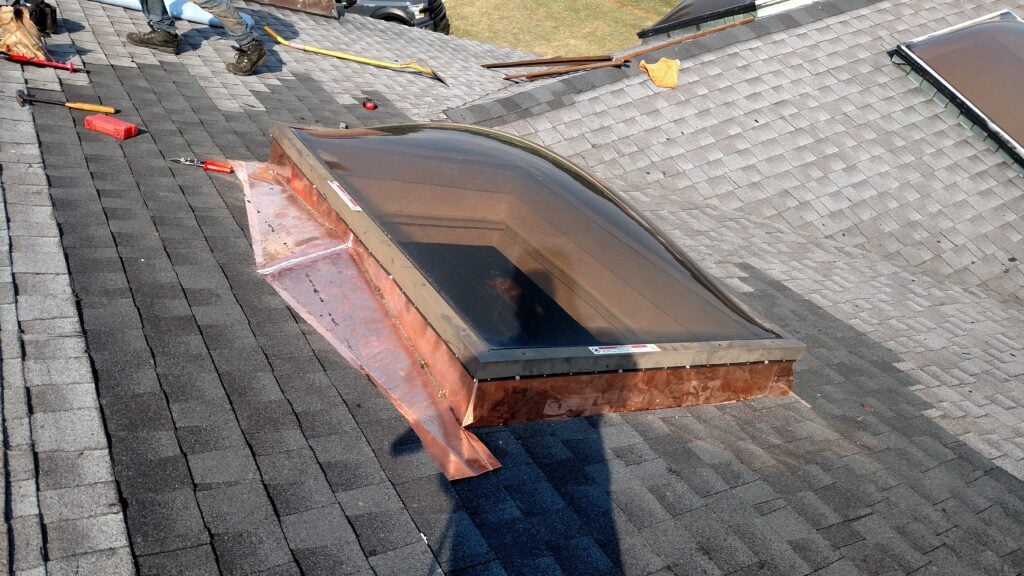
How quickly you report damage and how well it is documented can make a meaningful difference in the outcome of your claim. Photos, professional inspection reports, and a clear timeline of events all help support your case when working with your insurance provider, especially when roof leaks are involved and the source of water intrusion needs to be clearly identified.
- Report damage as soon as it is safely possible to do so
- Take photos of visible damage before any temporary repairs
- Note the location and extent of any roof leaks you notice indoors
- Keep a written record of when the damage was discovered and reported
What to Do When Your Home’s Roof Is Damaged
A thorough inspection is one of the most important steps in the entire insurance claims process, both for your own understanding and for supporting your claim with clear evidence that an adjuster can review.
What a Professional Inspection Typically Includes
- Visual Assessment: A close look at shingles, flashing, gutters, and other visible roofing components
- Documentation: Detailed photos and notes describing the extent and location of the damage
- Written Estimate: A clear summary of recommended roof repairs or replacement based on the inspection findings
- Identification of Related Issues: Checking for damage to gutters or skylights that may also need attention
Why Documentation Matters So Much
Insurance adjusters rely heavily on documentation to determine the scope and cause of damage to your home’s roof. Having a professional roofing contractor document the damage thoroughly, in addition to your own photos, can strengthen your claim and help avoid delays or disputes during the review process. This kind of detailed record can also speed up communication if there are any follow up questions from your insurance provider.
Does Insurance Cover Roof Repairs? Working With Your Adjuster
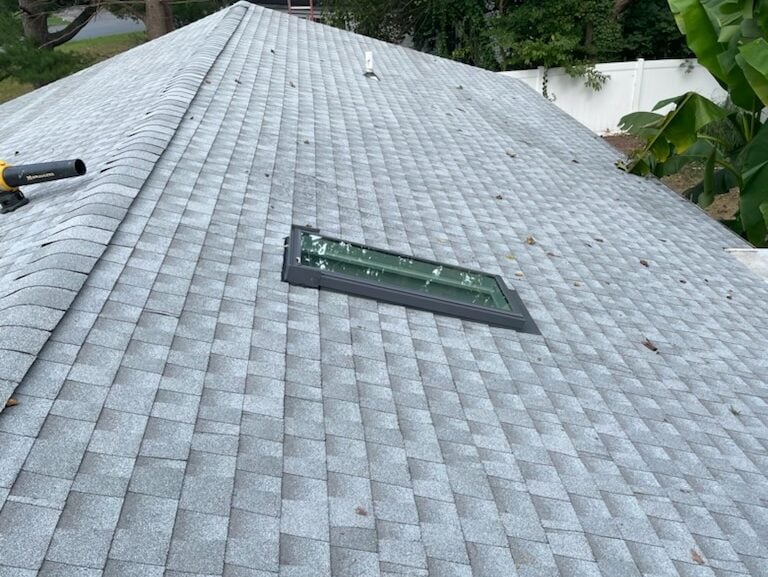
Navigating the insurance claims process can feel overwhelming, especially when you are also dealing with the stress of home damage. Having the right support on both sides, your insurance provider and your roofing contractor, can make the process much smoother and less stressful overall.
| Step | What Happens |
|---|---|
| Initial Inspection | A roofing professional assesses and documents the damage |
| Insurance Contact | You report the damage and begin the claims process with your provider |
| Adjuster Visit | Your insurance company sends an adjuster to evaluate the damage |
| Claim Review | Your insurance provider determines coverage based on your policy |
| Repair or Replacement | Work begins once the claim is approved and materials are ready |
Covered Loss Scenarios: House Fire, Storms, and More
Whether it is wind and hail, a fallen tree limb, or a house fire, different types of covered losses often follow a similar claims process, even though the cause of the damage varies. A knowledgeable roofing contractor can be a valuable ally throughout this process, no matter which type of event caused the damage. From providing detailed documentation to communicating directly with your insurance company, having a professional in your corner can help ensure the process moves as smoothly as possible from the first inspection to the final repair.
- Assistance with insurance claims from the initial inspection onward
- Clear, itemized estimates that align with adjuster expectations
- Ongoing communication throughout the repair or replacement process
Common Questions Homeowners Ask
Many homeowners are unsure where to start after discovering roof damage. Some of the most common questions include how quickly a claim needs to be filed, whether a temporary repair will affect the outcome, and how long the entire process typically takes from inspection to completed repair. Others want to know whether minor damage is worth filing a claim over at all, since every policy and deductible works differently. A knowledgeable contractor can help answer these questions based on your specific situation and roof condition.
Getting a New Roof: Next Steps After a Claim
Understanding whether insurance covers roof replacement starts with knowing the factors that influence coverage, from the cause of the damage to how well it is documented. While every policy and situation is different, being proactive about inspections and documentation can make a significant difference in how smoothly your claim moves forward toward a new roof.
Roof damage is stressful enough without the added uncertainty of navigating an insurance claim on your own. Having a professional inspection completed quickly after a storm, along with clear documentation of the damage, puts you in a much stronger position when it comes time to work with your insurance provider and move toward repair or replacement.
Homeowners throughout Wilmington, DE and surrounding areas trust our team at CTA Exteriors to provide thorough inspections and assist with insurance claims from start to finish. We know how stressful storm damage can be, and we are here to provide honest solutions without unnecessary hassle or a pushy sales pitch, so you can feel confident about your next steps toward getting your home’s roof back in shape.
Ready to get your roof inspected and start the claims process with confidence? Contact us today to schedule a consultation with CTA Exteriors and let our team help you navigate roof replacement and insurance coverage with clarity and support.
