
Exposed Fastener vs Concealed Fastener Metal Roof: Pros & Cons
 09/15/26
 8 Min Read
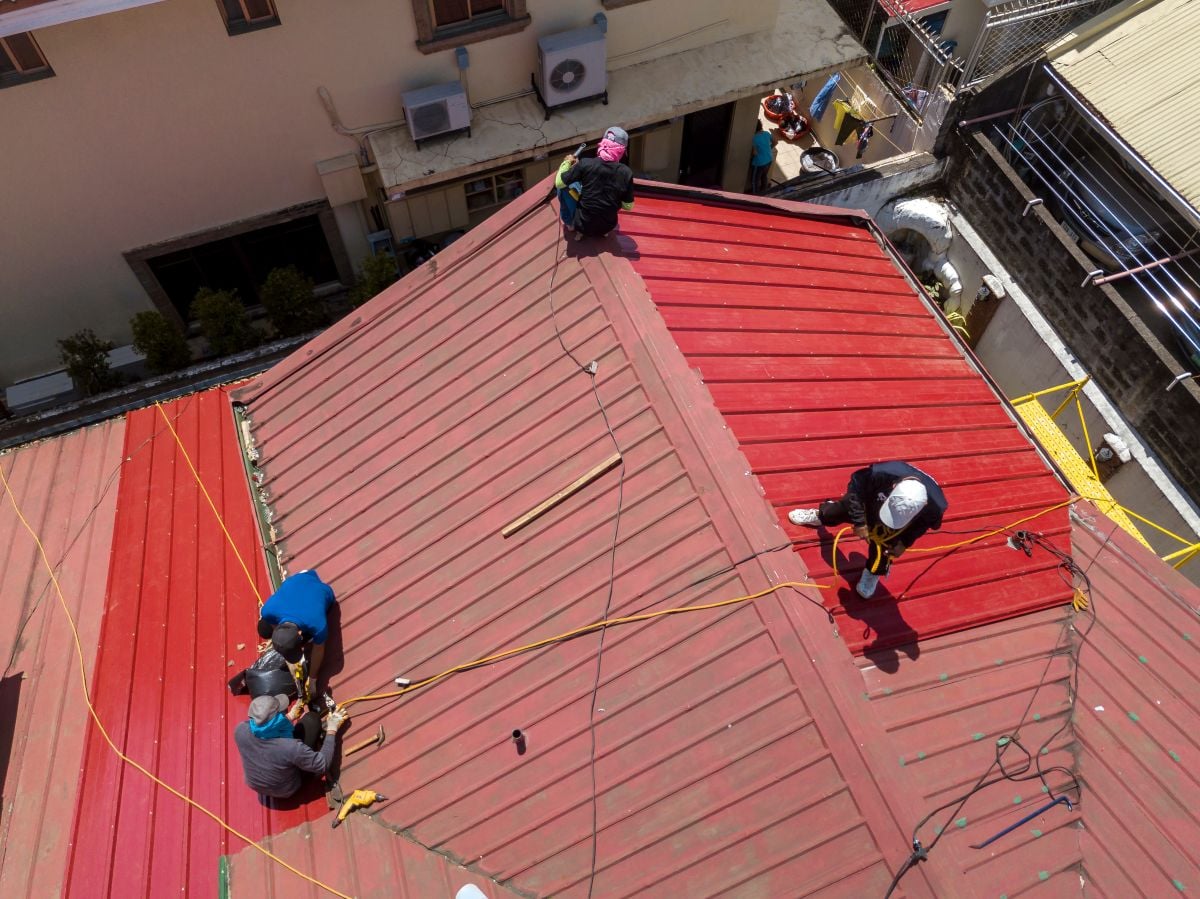
Choosing between an exposed fastener vs concealed fastener metal roof is one of the biggest decisions you will make when planning a new metal roofing system. The fastener type affects everything from your roof’s appearance to its long term performance against wind, rain, and thermal expansion. If you are already exploring options for giving your home a metal roof built to last, understanding how these two fastening methods differ can help you avoid costly mistakes and choose a system that fits your budget and long term goals.
In this guide, you will learn:
- The difference between exposed and concealed fastener metal roofing systems
- The pros and cons of each fastening method
- How each option performs against leaks, wind uplift, and weather exposure
- Cost differences between exposed and concealed fastener systems
- Which option might be the better fit for your home
Why Fastener Type Matters More Than You Think
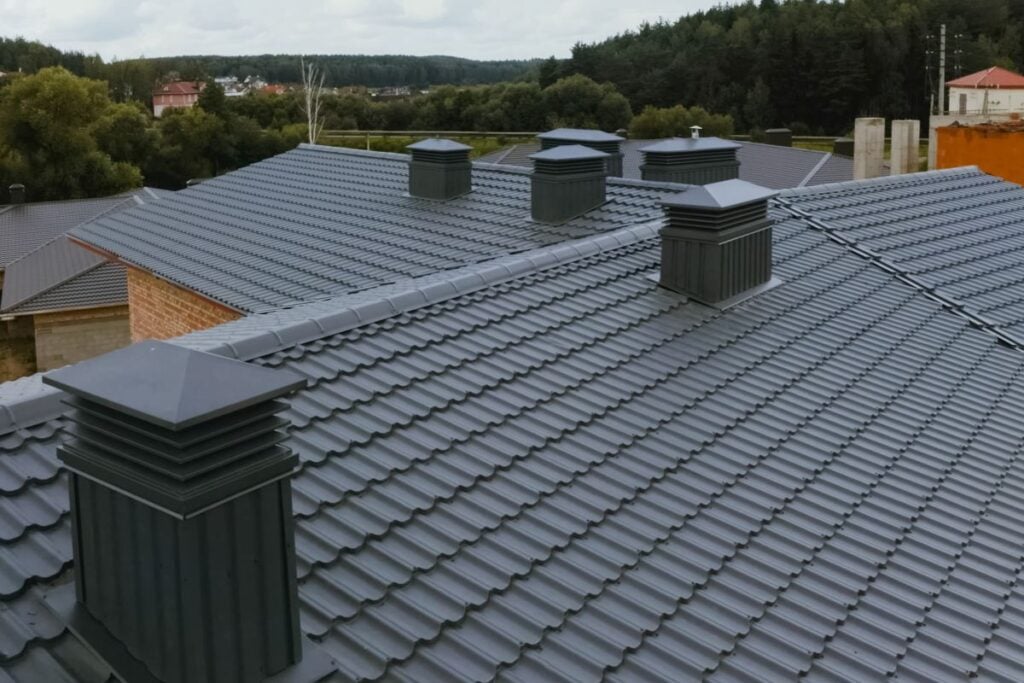
Many homeowners focus on panel material and color when choosing a metal roof, but the fastening method is just as important to the roof’s overall performance. The way panels are attached to your roof deck affects how well the system resists leaks, how long it lasts, and how much maintenance it will require over the years. This decision also affects how your roof handles the natural expansion and contraction that comes with seasonal temperature swings.
Here is why this decision deserves your attention:
- Leak Prevention: Fastener placement directly impacts how water is shed off your roof.
- Wind Resistance: Different fastening methods handle wind uplift differently, which matters during storms.
- Long Term Durability: Exposed fasteners can loosen or wear out faster than concealed systems.
- Aesthetic Appeal: Concealed fastener systems often provide a cleaner, more streamlined look.
- Maintenance Needs: Exposed fastener roofs typically require more frequent inspections and upkeep.
Homeowners throughout Dover, DE and surrounding areas often ask which fastening system will hold up best against the region’s mix of humid summers, cold winters, and seasonal storms. The answer largely depends on your budget, your roof’s slope, and how much long term maintenance you are willing to take on.
2 Fastening Methods Compared: What Sets Them Apart
Understanding how each fastening method works is the first step toward making a confident decision. Below is a breakdown of exposed and concealed fastener systems, along with the strengths and weaknesses of each approach and where each one tends to work best.
1. Exposed Fastener Metal Roofing
Exposed fastener panels are attached directly through the face of the panel using screws with rubber washers to seal each penetration point. This is one of the most affordable and widely used metal roofing systems, especially for agricultural buildings, garages, and budget conscious residential projects. Because the fasteners are visible on the roof’s surface, installation tends to be quicker and less labor intensive compared to concealed systems.
- Lower upfront material and labor costs
- Faster installation timelines
- Widely available in a range of colors and profiles
- Rubber washers can degrade over time, leading to potential leaks
- Requires periodic inspection and washer replacement
2. Concealed Fastener Metal Roofing
Concealed fastener systems, often called standing seam roofing, hide the fasteners beneath interlocking panel seams. This design eliminates exposed penetration points on the roof’s face, significantly reducing the risk of leaks caused by worn or failing washers. Concealed fastener systems also allow panels to expand and contract naturally with temperature changes, since the fasteners are not rigidly fixed through the panel surface.
- Higher upfront cost due to more complex installation
- Longer lifespan with fewer maintenance needs
- Cleaner, more modern appearance
- Better performance against wind uplift and thermal movement
- Ideal for homeowners planning to stay in their property long term
Both systems have their place, and the right choice often comes down to your budget, your roof’s design, and how long you plan to stay in your home.
How Each System Performs Against the Elements
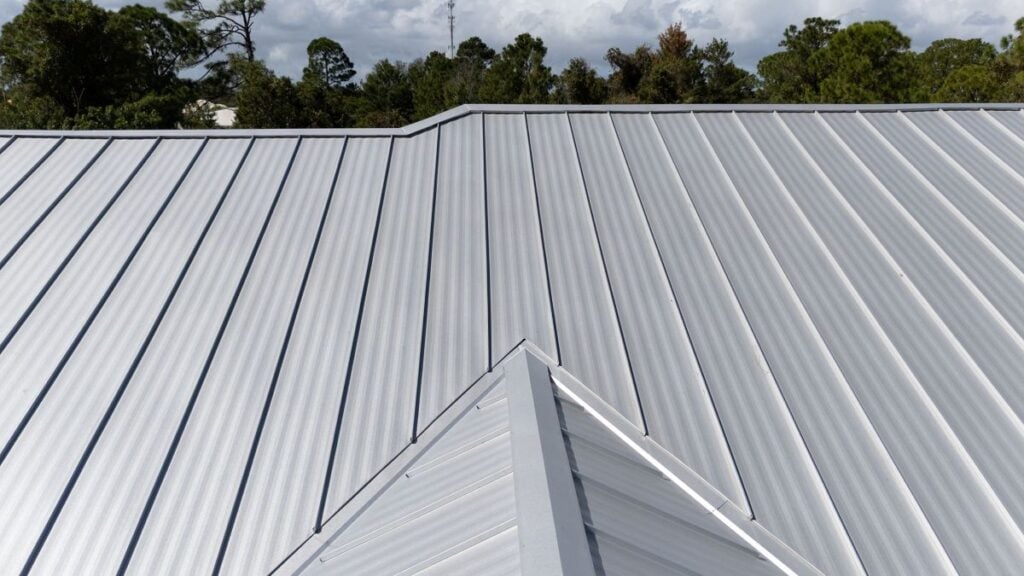
Weather resistance is one of the most important factors to weigh when comparing these two fastening methods. Homeowners near Dover, DE and surrounding areas deal with everything from summer thunderstorms to winter ice, and your roof’s fastening system plays a direct role in how well it holds up over time.
Wind Uplift Resistance
Concealed fastener systems generally perform better in high wind conditions because the panels are locked together along hidden seams rather than relying on surface level screws. Exposed fastener systems can still perform well in moderate wind conditions, but the exposed screws are more susceptible to loosening over time, especially if the roof experiences frequent thermal expansion and contraction throughout the year.
Leak Resistance Over Time
- Exposed fastener roofs rely on rubber washers that break down under prolonged UV exposure and temperature swings
- Concealed fastener roofs eliminate most surface penetrations, reducing the number of potential leak points
- Both systems benefit from proper installation and quality flashing around roof penetrations like chimneys and vents
Longevity Expectations
Exposed fastener roofing typically lasts between 20 and 30 years, with the washers often needing replacement well before the panels themselves wear out. Concealed fastener systems can last 40 to 60 years or more with minimal maintenance, making them a popular choice for homeowners who want a long term, low maintenance roofing solution for their property.
Comparing Costs, Maintenance, and Long Term Value
Making a smart decision means looking beyond the initial price tag and considering the full lifecycle cost of each roofing system. Here is a side by side comparison to help simplify the decision making process.
| Feature | Exposed Fastener | Concealed Fastener |
| Upfront Cost | Lower | Higher |
| Installation Time | Faster | Longer |
| Average Lifespan | 20 to 30 years | 40 to 60+ years |
| Maintenance Needs | Regular washer checks | Minimal upkeep |
| Wind Resistance | Good | Excellent |
| Appearance | Visible fastener lines | Clean, seamless look |
Long Term Value Considerations
While exposed fastener systems cost less upfront, the need for periodic washer replacement and more frequent inspections can add up over the life of the roof. Concealed fastener systems require a larger initial investment, but many homeowners find that the reduced maintenance and extended lifespan make up the difference over time and offer greater peace of mind.
- If you plan to sell your home within the next several years, exposed fastener roofing may offer a reasonable, budget friendly option
- If you intend to stay in your home long term, concealed fastener roofing often provides better overall value
- Homeowners in areas with frequent storms may prioritize concealed systems for their superior wind resistance
Maintenance Tips for Either System
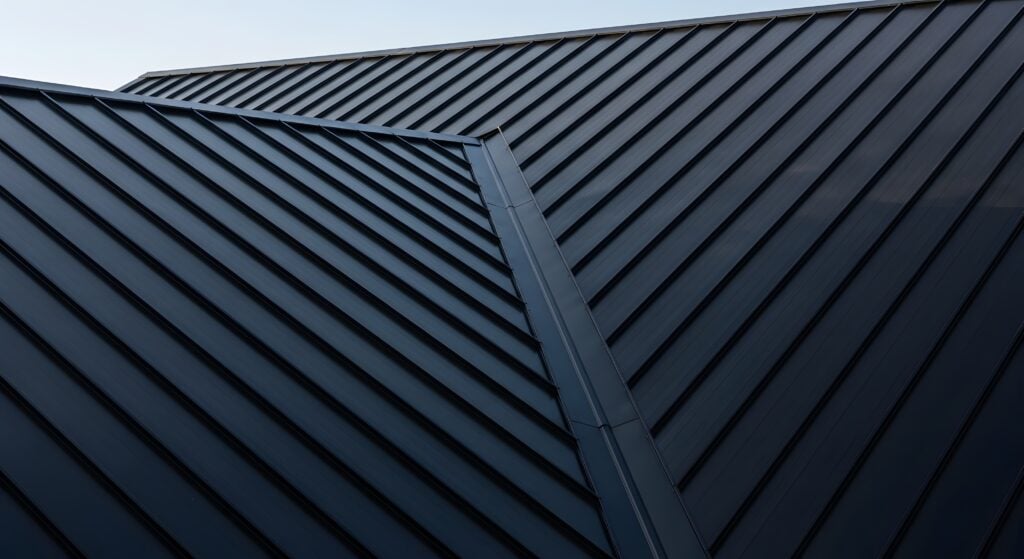
Regardless of which fastening method you choose, a few simple maintenance habits can extend the life of your roof significantly and help you catch small issues before they become expensive repairs.
- Inspect fasteners and seams at least once a year for signs of wear or loosening
- Clear debris from valleys and gutters to prevent water pooling
- Address any small leaks or worn washers promptly before they lead to larger issues
- Schedule a professional inspection after major storms to catch damage early
Homeowners throughout Dover, DE and surrounding areas who invest in regular maintenance, regardless of fastener type, tend to get the most value out of their roofing investment over the long run.
Choosing the Right Fastening System for Your Home
There is no single answer that works for every homeowner when it comes to choosing between exposed and concealed fastener metal roofing. Your decision should be based on your budget, your long term plans for the home, and how much maintenance you are willing to take on over the years.
If affordability and a quick installation timeline are your top priorities, an exposed fastener system may be the right fit, especially for secondary structures or projects with a tighter budget. If you are looking for a long term investment with minimal maintenance and a sleek, modern appearance, a concealed fastener standing seam system is likely the better choice for your home.
Every home is different, and factors like roof slope, sun exposure, and local weather patterns near Dover, DE and surrounding areas can all influence which system will perform best for you. Taking the time to weigh these factors now can save you significant time, money, and frustration down the road.
Our team at CTA Exteriors has years of experience installing both exposed and concealed fastener metal roofing systems, and we are happy to walk you through the pros and cons based on your specific home and goals. From material selection to final installation, we make sure you understand exactly what you are getting and why it is the right choice for your roof.
Ready to explore your metal roofing options? Contact us today to schedule a consultation with CTA Exteriors and get honest, experienced guidance on choosing the right fastening system for your home.
