
Insulated Vinyl Siding Guide (Pros, Cons & Costs in 2026)
 06/09/26
 7 Min Read
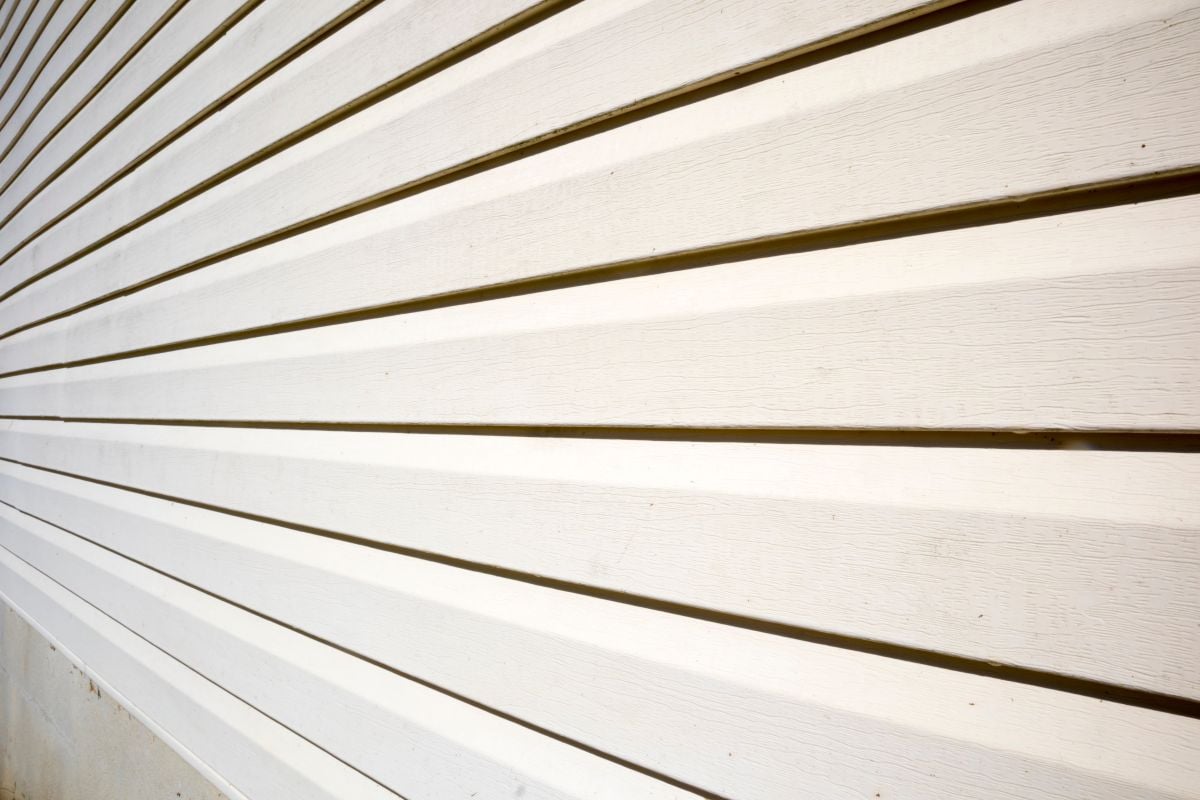
Insulated vinyl siding is becoming an increasingly popular option for homeowners who want improved energy performance without sacrificing affordability. As material technology advances in 2026, more property owners are comparing insulated siding to traditional vinyl and fiber cement options to determine what delivers the best long term value.
When evaluating siding for your home’s exterior, it helps to focus on:
- Energy performance: How insulation backing affects indoor comfort
- Weather resistance: Protection against moisture and wind
- Maintenance needs: Long term upkeep requirements
- Project cost: Upfront investment compared to other siding types
In areas like Newark, DE, where humidity, cold winters, and summer heat cycles are common, siding must balance insulation, durability, and moisture control.
We’re proud to serve home and business owners in Newark, DE, and nearby communities with insulated vinyl siding and more.
According to the U.S. Department of Energy, heating and cooling account for about 43 percent of the average home’s utility bill, which is why improving exterior insulation can play a meaningful role in overall energy efficiency.
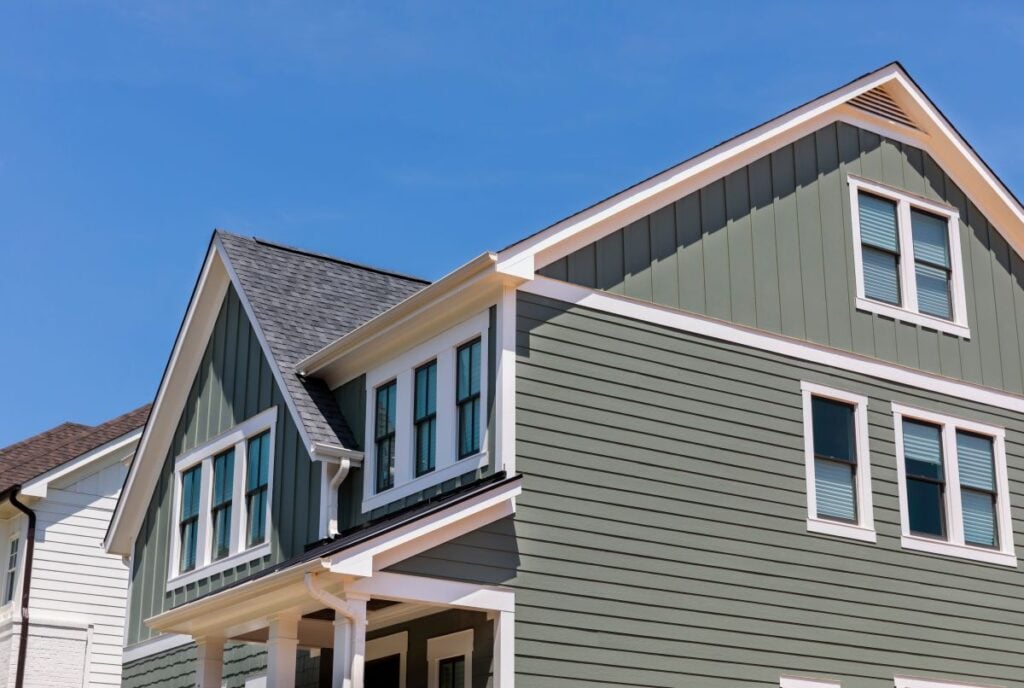
What Is Insulated Vinyl Siding?
Insulated vinyl siding is traditional vinyl siding bonded to a rigid foam insulation backing. The foam layer fills the hollow space behind the panel, increasing rigidity and improving thermal performance.
Unlike standard vinyl siding, which has a hollow profile and smooth surface, insulated versions provide additional structural support. The added insulation layer helps reduce thermal bridging through the wall system, and exterior insulation helps block solar heat gain effectively during warmer months.
While it does not replace full wall insulation, it can enhance the overall efficiency of your home’s exterior envelope. Insulated vinyl siding also offers a wider range of colors compared to many other siding materials, allowing homeowners more flexibility in design selection.
When Insulated Vinyl Siding Makes the Most Sense
While insulated vinyl siding is not the perfect solution for every property, it works especially well under certain conditions. Below are situations where homeowners often see the greatest benefit.
- Drafty exterior walls: Homes with minor air leakage along wall surfaces can benefit from added foam backing support.
- Storm exposure: Reinforced panels resist cracking and impact damage better than hollow vinyl.
- Cosmetic upgrades: Wider color selections allow homeowners to refresh the look of their home’s exterior.
- Low maintenance goals: Vinyl siding requires no painting and resists moisture-related deterioration.
- Moderate energy improvements: Exterior insulation helps block solar heat gain effectively while adding wall rigidity.
Choosing insulated vinyl siding is often about balancing comfort, durability, and cost. When installed properly and paired with solid moisture management practices, it can provide reliable performance for decades.
Pros and Cons of Insulated Vinyl Siding
Before committing to a siding upgrade, it is important to understand both the advantages and potential limitations.
Pros
- Improved energy efficiency: Added foam backing helps reduce heat transfer.
- Increased durability: Foam support strengthens the panel and insulated vinyl siding resists cracking, denting, and breakage better than hollow panels.
- Noise reduction: Insulation layer can help dampen outside sound.
- Low maintenance surface: Vinyl resists moisture and does not require painting.
Cons
- Higher upfront cost: More expensive than standard vinyl siding.
- Limited structural insulation value: Does not replace full wall insulation systems.
- Potential color fading: Like all vinyl products, prolonged UV exposure can affect color over time.
Understanding these tradeoffs helps homeowners determine whether the added insulation justifies the additional investment.
6 Factors That Influence Insulated Vinyl Siding Costs in 2026
Pricing varies based on materials, home size, and installation complexity. Below are six primary factors that affect total project cost.
- Material thickness: Higher density foam backing increases cost but improves rigidity and insulation performance.
- Profile selection: Certain styles and finishes may carry premium pricing.
- Home size and layout: Larger homes require more material and labor.
- Removal of existing siding: Tear-off and disposal add to project expense.
- Trim and accessory upgrades: New corner posts, soffit, and fascia can affect total pricing.
- Installation quality: Skilled installation ensures proper fastening and moisture management.
While insulated vinyl siding typically costs more than traditional vinyl, it often remains more affordable than fiber cement siding. While insulated vinyl siding costs more than traditional vinyl siding, it often remains more affordable than fiber cement. In fact, according to Remodeling Magazine’s Cost vs. Value Report, vinyl siding replacement consistently recoups a significant portion of its cost at resale, often exceeding 80 percent nationally. That return potential is one reason many homeowners consider upgraded vinyl products when planning exterior renovations.
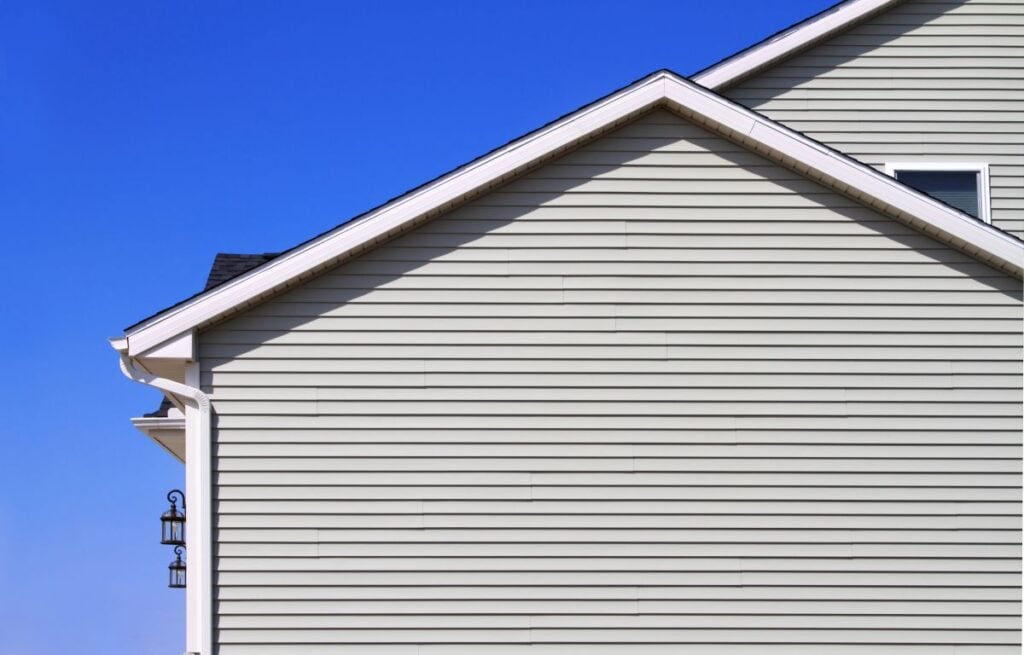
Comparing Insulated Vinyl to Standard Vinyl and Fiber Cement
| Feature | Standard Vinyl | Insulated Vinyl | Fiber Cement |
| Insulation Value | Low | Moderate | Low |
| Panel Rigidity | Flexible | Reinforced | Rigid |
| Maintenance | Low | Low | Low to Moderate |
| Fire Resistance | Limited | Limited | Class A |
| Typical Lifespan | 20 to 30 years | 25 to 40 years | 30 to 50 years |
Insulated vinyl siding improves upon traditional vinyl by increasing panel stability and energy performance. It also maintains the smooth finish and low maintenance benefits homeowners expect from vinyl siding, while adding structural reinforcement behind the panel.
The right choice depends on whether energy improvement or material rigidity is your priority.
Is Insulated Vinyl Siding Worth It in 2026?
For many homeowners, insulated vinyl siding strikes a balance between affordability and improved performance. It remains low maintenance, resists moisture, and offers better rigidity than hollow vinyl panels.
However, the added insulation does not dramatically increase R-value compared to full wall insulation upgrades. Homeowners seeking major energy savings may benefit more from addressing attic insulation, air sealing, or window performance in addition to siding upgrades.
For homes experiencing minor drafts or temperature inconsistency along exterior walls, insulated vinyl siding can contribute to measurable comfort improvements.
Installation Considerations
Proper installation is essential for long term performance. Panels must be secured correctly to allow natural expansion and contraction during temperature changes. Over fastening can cause buckling, while under fastening can reduce wind resistance.
Moisture barriers and flashing integration remain critical. Even weather resistant siding must be paired with appropriate house wrap and sealing techniques to prevent water intrusion behind the panels.
Professional installation helps ensure that the insulation backing aligns properly and does not create gaps that compromise performance.
Common Questions About Insulated Vinyl Siding
Homeowners often have practical concerns before committing to insulated vinyl siding. Below are answers to the most frequently asked questions about performance, lifespan, and overall value.
How much insulation does insulated vinyl siding actually add?
Insulated vinyl siding typically adds a modest R-value compared to standard vinyl, depending on the thickness of the foam backing. While it does not replace wall cavity insulation, it can reduce minor thermal bridging and improve overall wall performance. The added insulation layer helps stabilize interior temperatures and may reduce small drafts along exterior walls. It is best viewed as a supplemental energy improvement rather than a full insulation solution.
Does insulated vinyl siding increase home value?
Many homeowners consider insulated vinyl siding a smart exterior upgrade because of its improved rigidity and appearance. Enhanced curb appeal, expanded color options, and improved panel strength can make a property more attractive to buyers. Since vinyl siding replacement projects often recover a large percentage of their cost at resale, insulated options may provide both visual and functional appeal in competitive housing markets.
Is insulated vinyl siding more durable than standard vinyl?
Yes, the foam backing reinforces the panel structure, making it more resistant to cracking, denting, and breakage. Standard vinyl panels can flex or warp under impact or extreme temperature shifts, while insulated panels hold their shape more consistently. This added rigidity also helps siding maintain a straighter appearance across the wall surface over time.
How long does insulated vinyl siding last?
With proper installation and routine cleaning, insulated vinyl siding can last 25 to 40 years. Lifespan depends on climate exposure, installation quality, and maintenance habits. Homes in regions with heavy sun exposure or severe storms may experience gradual wear, but high quality insulated panels are designed to withstand common environmental stressors.
CTA Exteriors Installs Insulated Vinyl Siding with Precision
If you are considering insulated vinyl siding for your home in Newark, DE, CTA Exteriors can help you evaluate whether it fits your goals and budget. Our team installs siding systems with careful attention to moisture management, fastening techniques, and long term durability.
Upgrading your home’s exterior is a significant investment. Contact CTA Exteriors to schedule a consultation and explore whether insulated vinyl siding is the right choice for your property in 2026 and beyond.
