
7 Common Shingle Issues + Repairs (Shingle Roof Repair Guide)
 05/05/26
 6 Min Read
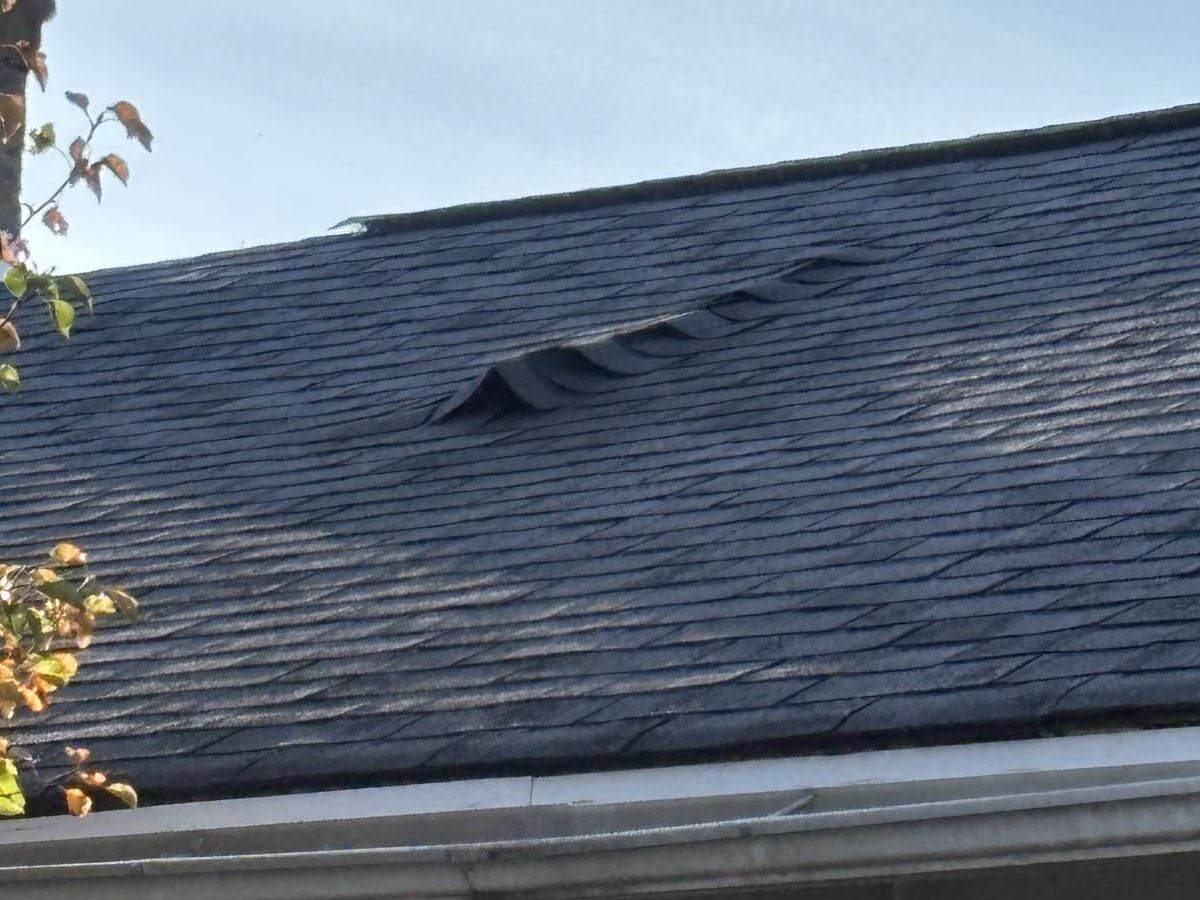
Shingle roof repair becomes necessary for many homeowners at some point, especially as roofing materials age and face seasonal weather changes. Asphalt roof shingles remain one of the most widely used residential roofing materials because they are affordable and reliable. However, even properly installed roof shingles can develop issues over time due to weather exposure, installation factors, and natural aging. Understanding common problems early allows homeowners to prevent minor damage from turning into major repairs.
- Missing or lifted shingles after storms
- Granule loss from aging materials
- Leaks around flashing and roof penetrations
- Curling, cracking, or buckling
In Newark, DE, where homes experience heavy rain, summer heat, and winter freeze cycles, consistent roof maintenance can significantly extend the life of your roofing system. We’re proud to serve home and business owners in Newark, DE, and nearby communities with shingle roof repair and more.
7 Most Common Shingle Problems and How They Are Repaired

Asphalt roof shingles are built to handle years of exposure, but environmental stress gradually affects performance. Weather conditions in Delaware, including wind driven rain and seasonal temperature swings, accelerate normal wear. Identifying problems early makes targeted repairs possible and helps avoid premature roof replacement.
1. Missing Shingles
Missing shingles are often a result of wind damage, where the self-sealing glue strip fails, allowing shingles to uplift and break off. Once roof shingles go missing, the underlayment and decking are exposed to direct moisture intrusion. Even a small exposed area can lead to interior water damage if ignored.
- Cause: Wind uplift or improper fastening when shingles were installed.
- Risk: Water penetration into decking and attic spaces.
- Repair Solution: Install a new shingle in the affected area and inspect surrounding shingles for loose tabs or nails.
2. Curling or Buckling Shingles
Curling edges or buckled sections typically indicate aging materials or ventilation problems. Excess attic heat can dry out roof shingles prematurely, reducing flexibility. Over time, curled edges become more susceptible to wind damage.
- Cause: Aging materials or inadequate attic ventilation.
- Risk: Reduced wind resistance and higher leak potential.
- Repair Solution: Replace affected shingles and improve ventilation to prevent recurrence.
3. Cracked Shingles
Cracks often develop due to repeated expansion and contraction from temperature changes. Older shingles become brittle and may crack during storms or under heavy foot traffic. When cracks form, water can seep beneath the protective surface layer.
- Cause: Thermal stress or storm impact.
- Risk: Moisture intrusion leading to rot or mold.
- Repair Solution: Apply roofing sealant to minor cracks or replace the damaged shingle if splitting is severe.
4. Granule Loss
Granules protect shingles from UV rays and provide surface durability. Over time, granules may wash into gutters or accumulate near downspouts. Significant granule loss weakens roof shingles and shortens their lifespan.
- Cause: Natural aging or severe weather exposure.
- Risk: Accelerated deterioration from direct sun exposure.
- Repair Solution: Monitor widespread loss and determine whether sectional replacement is necessary.
5. Flashing Leaks
Flashing protects vulnerable areas such as chimneys, skylights, and valleys. If flashing corrodes or becomes loose, water can penetrate these transition points. In many cases, leaks occur even though the surrounding roof shingles remain intact.
- Cause: Improper sealing or aging metal components.
- Risk: Interior ceiling stains and structural damage.
- Repair Solution: Reseal flashing with high quality sealant or replace damaged flashing sections.
6. Sagging Roof Sections

Sagging areas may signal structural concerns beneath the shingles. Prolonged moisture exposure can weaken decking and support framing. This issue goes beyond surface repairs and may require structural evaluation.
- Cause: Long term water damage or compromised decking.
- Risk: Reduced structural integrity of the roof system.
- Repair Solution: Inspect decking and framing before replacing roof shingles in the affected area.
7. Ice Dam Damage
According to the Insurance Institute for Business & Home Safety, 65% of water that hits an exposed roof deck will enter the home, causing two to three times more damage than the initial impact — making ice dam prevention and prompt shingle repair essential for Delaware homeowners facing freeze cycles.
- Cause: Heat escaping from attic combined with freezing temperatures.
- Risk: Water intrusion, insulation damage, and mold growth.
- Repair Solution: Improve insulation and ventilation while replacing damaged shingles.
Warning Signs You Should Not Ignore
Not all roof damage is obvious from the ground. Subtle warning signs often indicate underlying problems that require professional evaluation.
- Water Stains on Ceilings: May signal an active leak beneath the roof shingles.
- Shingle Debris in Gutters: Indicates aging materials or brittle roof shingles.
- Dark Streaks or Moss Growth: Suggest moisture retention and reduced drainage.
- Higher Energy Bills: Can reflect ventilation issues affecting roof performance.
Addressing these signs early helps prevent costly structural repairs and supports long term roof maintenance.
Cost vs Repair Scope Considerations
Repair needs vary depending on the extent of damage and the age of the roof. Labor rates for shingle repairs typically range from $50 to $100 per hour, depending on the contractor’s experience and location, with more complex projects potentially increasing labor costs.
- Minor Repairs: Replacing a new shingle or applying sealant to small cracks is typically affordable and effective.
- Moderate Repairs: Flashing replacement or sectional shingle repair may be required for recurring leaks.
- Full Replacement: Widespread granule loss or advanced aging may justify installing a new roofing system.
A professional inspection helps determine whether repair or replacement offers the best long term value.
Common FAQs About Shingle Roof Repair

Homeowners often have questions about when to schedule repairs, how long fixes will last, and whether small problems can safely be postponed. Understanding the answers to these common concerns helps you make informed decisions and avoid unnecessary damage. Addressing roofing issues promptly not only protects your home’s structure but can also extend the overall life of your roof shingles.
How do I know if my roof needs repair or replacement?
If damage is localized and the roof is under 15 years old, repairs are often sufficient. If multiple areas of roof shingles show deterioration, replacement may be more cost effective long term.
Can I replace shingles myself?
While some homeowners attempt small fixes, improper installation can create further issues. A professional ensures shingles are properly installed and sealed.
How often should my roof be inspected?
Annual inspections are recommended, along with evaluations after major storms. Routine roof maintenance helps identify minor issues before they worsen.
Does homeowners insurance cover shingle damage?
Coverage often depends on the cause of damage. Storm related damage is typically covered, while normal wear and tear usually is not.
CTA Exteriors Provides Reliable Roof Repairs in Newark
At CTA Exteriors, we understand how Delaware weather impacts asphalt roof shingles. Our team carefully evaluates roof conditions, identifies underlying issues, and provides clear repair recommendations without unnecessary upselling.
If you suspect damage or want a professional inspection, contact CTA Exteriors today. Addressing small concerns early helps protect your home and extend the life of your roofing system.
